
1935–1950 · Chapter 05 of 06
Wartime
Making do, in 9ct gold.
The big gold “Retro” jewellery of this period belongs mostly to America and France. Britain had a harder time of it. Purchase Tax arrived in 1940 and had reached 127% on jewellery by 1947. From 1942 it was illegal to make new gold or platinum jewellery, with wedding rings the one exception, and those had to be plain 9ct Utility rings weighing no more than two pennyweights. Demand was so high that many couples waited or bought second-hand.
- 9ct gold
- Utility wedding rings
- Sweetheart brooches
Where Wartime sits: after Art Deco, before Mid-Century Modern.
Defining features
- 9ct rose and yellow gold, often light in weight
- Utility wedding rings, plain and 9ct only
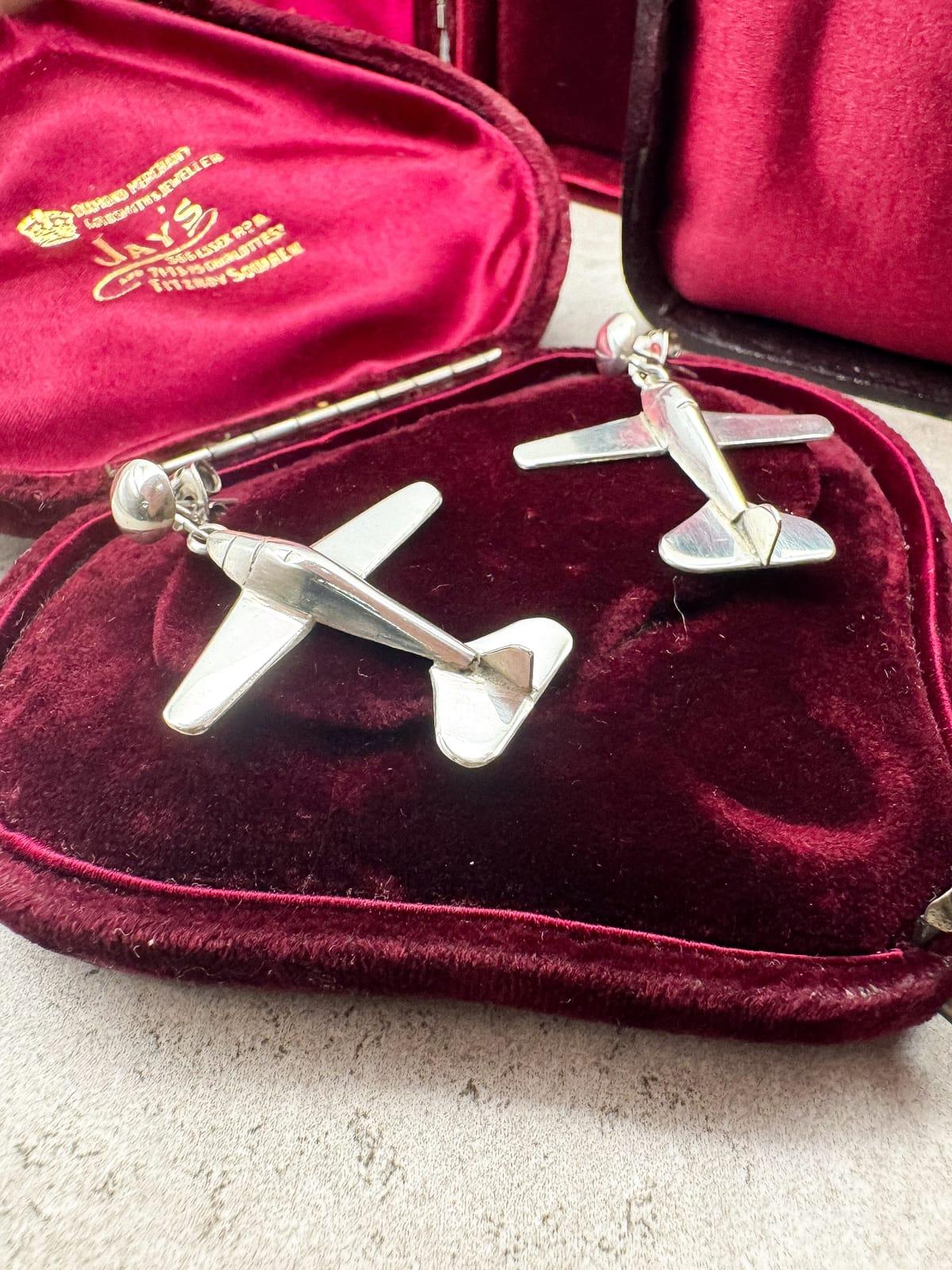
- Regimental sweetheart brooches in silver, enamel and mother-of-pearl
- Ribbons, bows and scrolls on pieces from before the restrictions
- Synthetic rubies and sapphires in dress rings
How to spot it
Check the hallmark first. A Utility ring has “9” and “.375”, a town mark and a date letter, plus a small Utility mark of two half circles in a rectangle. Sweetheart brooches show a miniature regimental or service badge, and silver ones may be hallmarked. Synthetic rubies and sapphires were used openly at the time and are part of the period.
Materials
Metals
- 9ct rose gold
- 9ct yellow gold
- Silver
Stones & materials
- Synthetic ruby & sapphire
- Citrine
- Aquamarine
- Amethyst
- Enamel
- Mother-of-pearl
Wartime pieces in the shop
Nothing from this era is in the shop right now. Browse the collection