
Vintage eras
Two and a half centuries of jewellery.
From Georgian candlelight to post-war design: how to recognise each era, and what to look for.
At a glance, to scale
The thin lines underneath are Arts & Crafts and Art Nouveau: movements that ran across the reigns. More below.
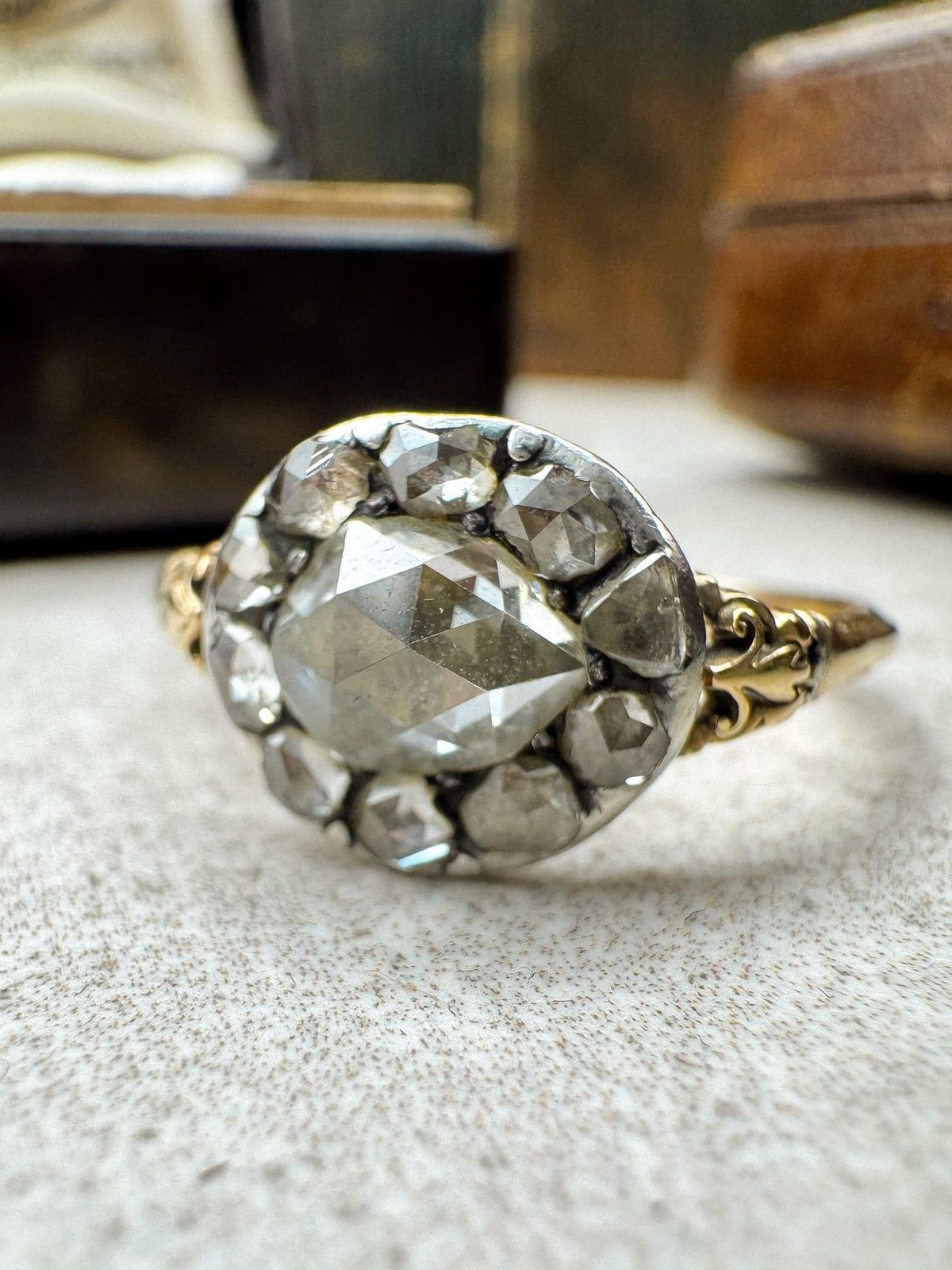
Chapter 01
Georgian 1714–1837
Made by hand, often by candlelight, with foil-backed stones set in closed backs.
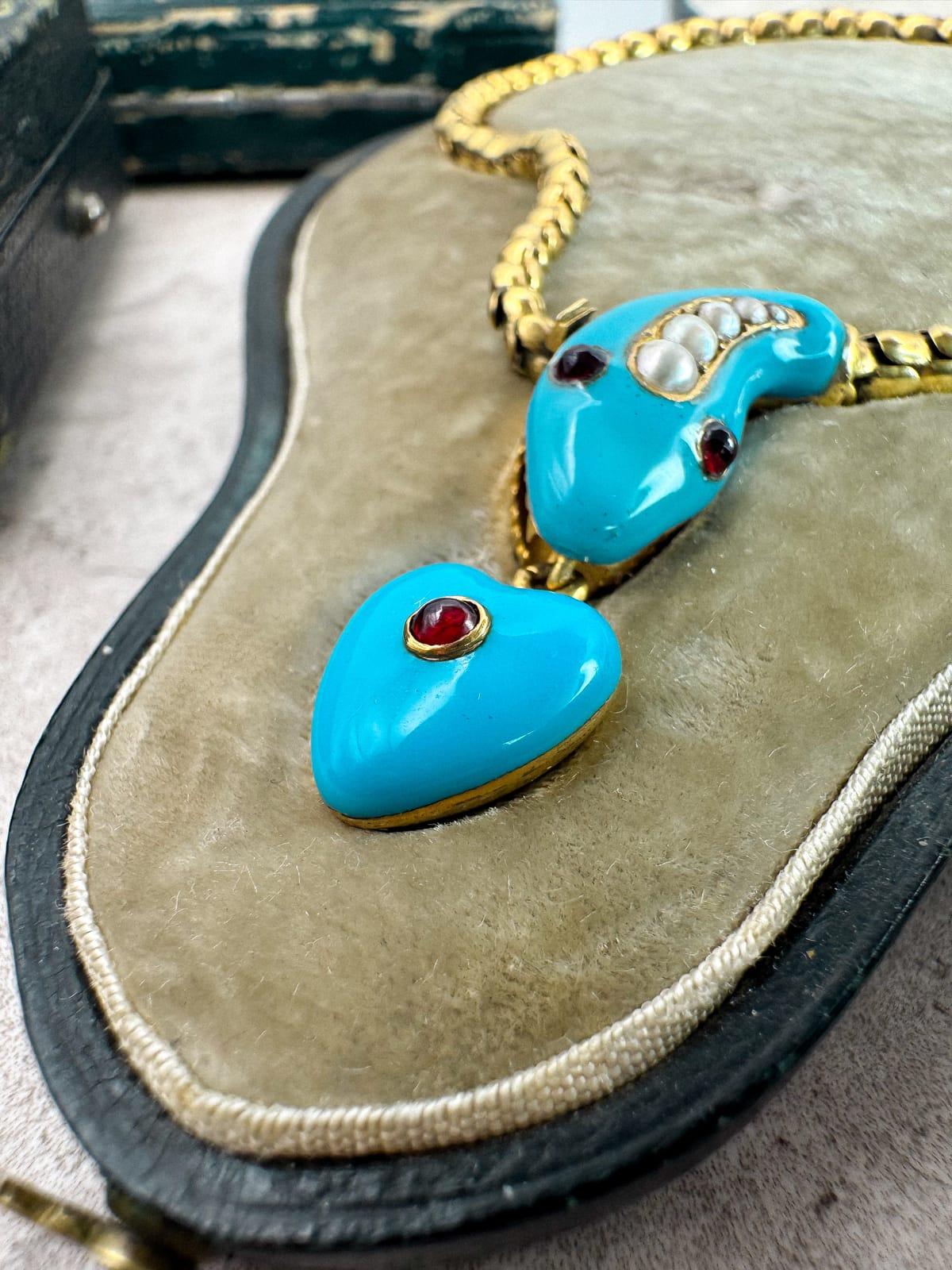
Chapter 02
Victorian 1837–1901
Over sixty years of sentiment and symbolism, from romantic forget-me-nots to mourning jet.
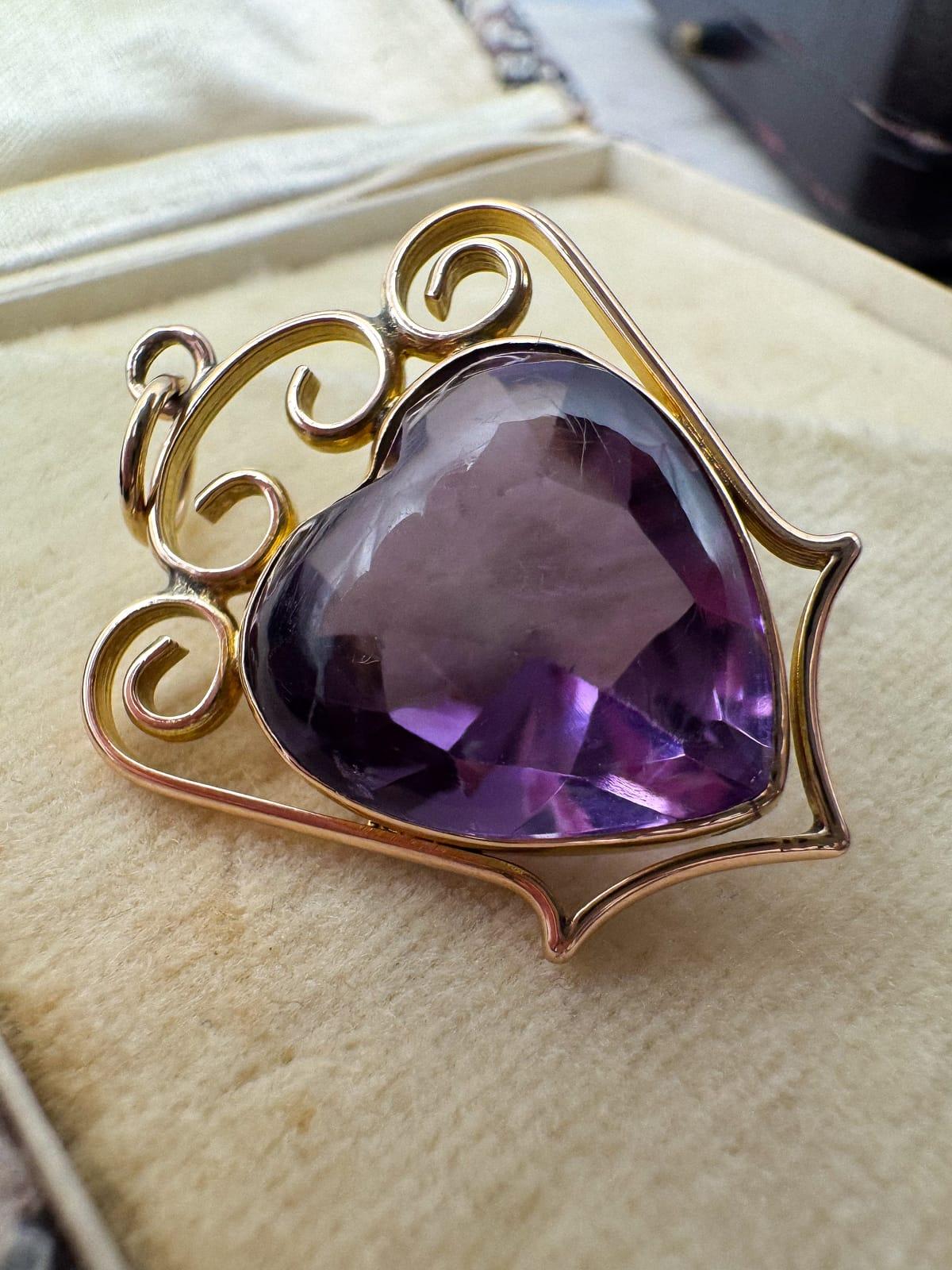
Chapter 03
Edwardian 1901–1915
Light, lace-like jewellery in platinum and silver, with openwork and rose-cut diamonds.
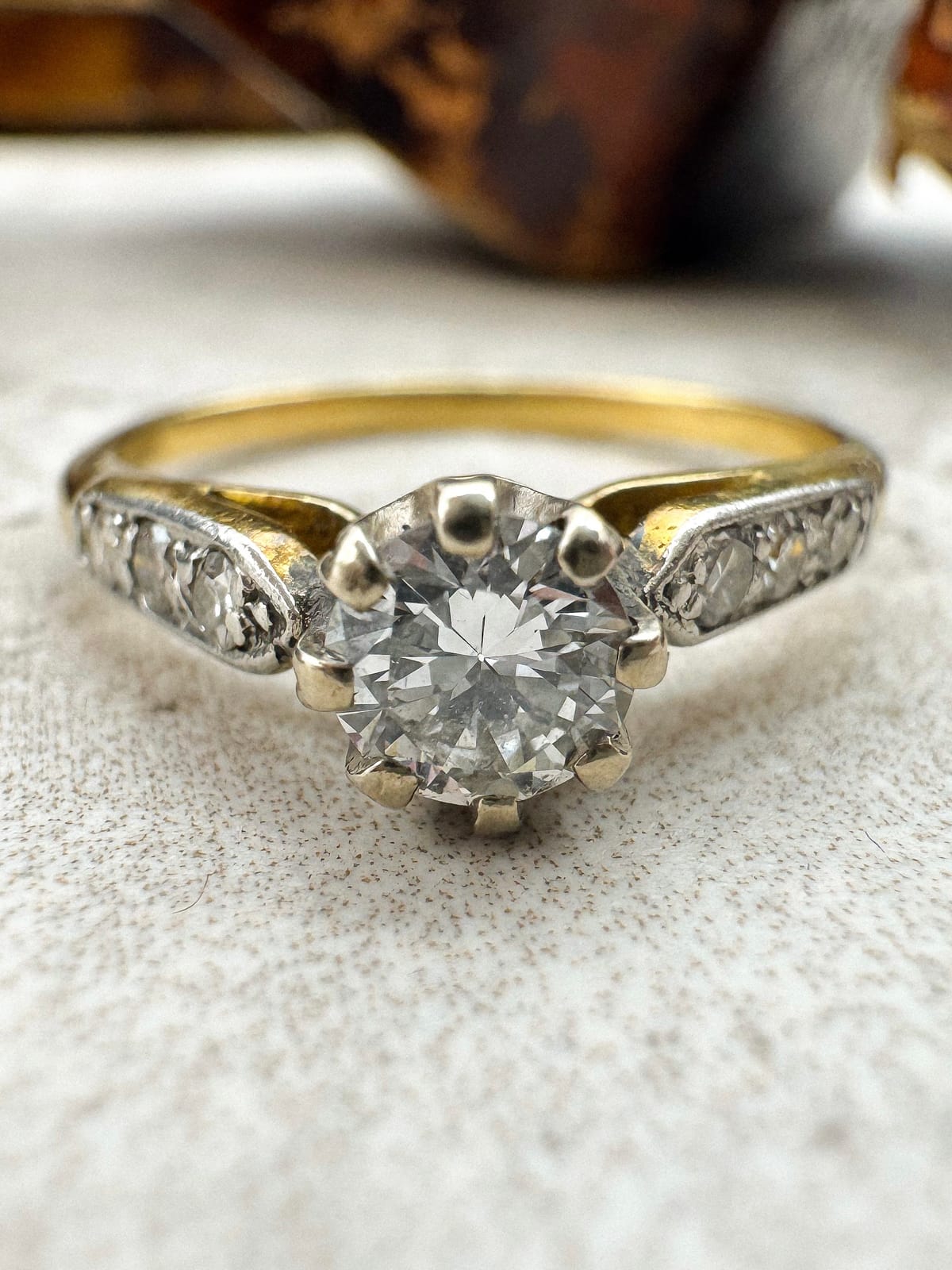
Chapter 04
Art Deco 1920–1935
Straight lines and symmetry between the wars, with emerald cuts, calibré stones and pavé diamonds.
Chapter 05
Wartime 1935–1950
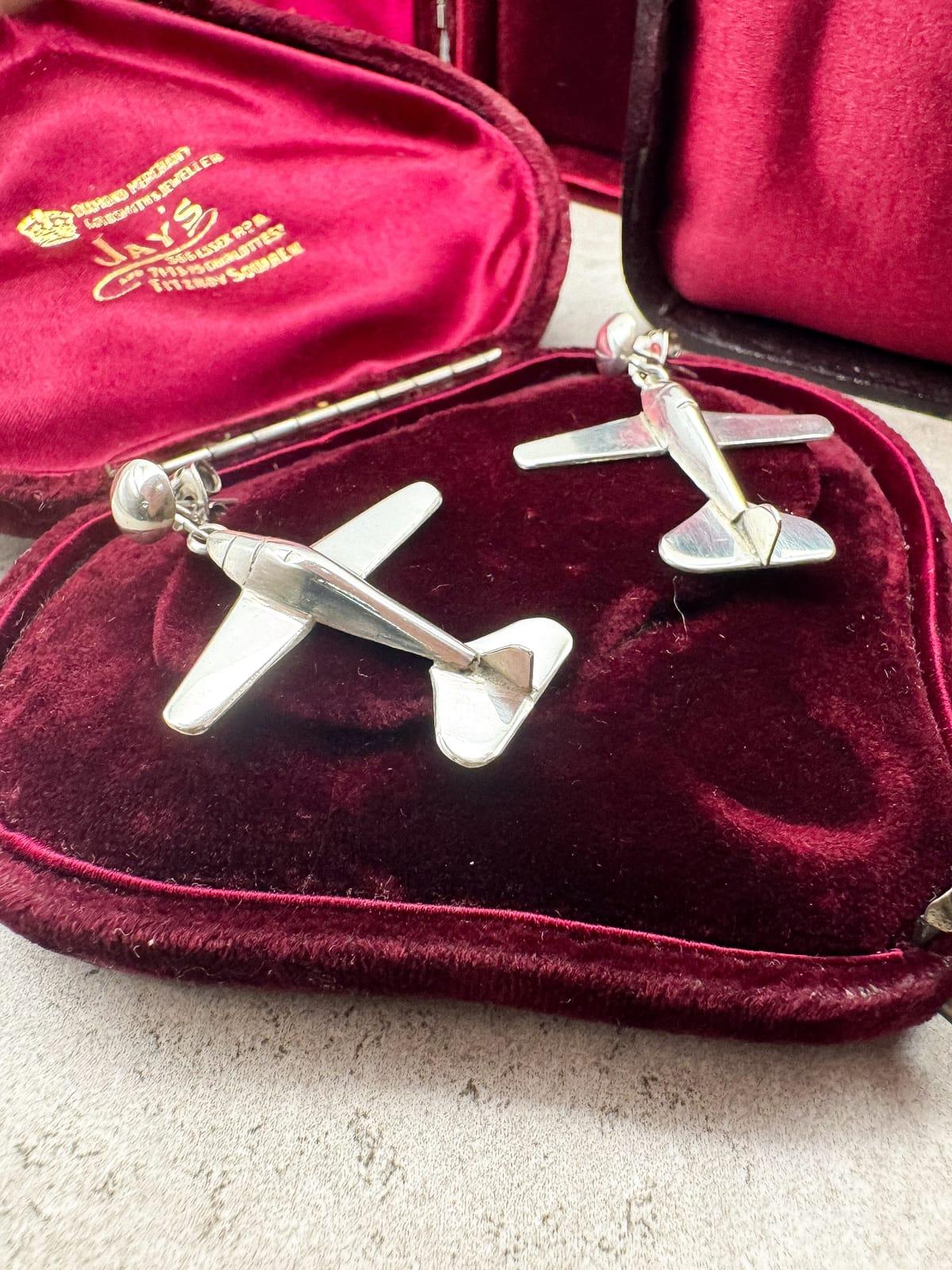
Britain in short supply: plain 9ct gold, Utility wedding rings and regimental sweetheart brooches.
Chapter 06
Mid-Century Modern 1950–1969
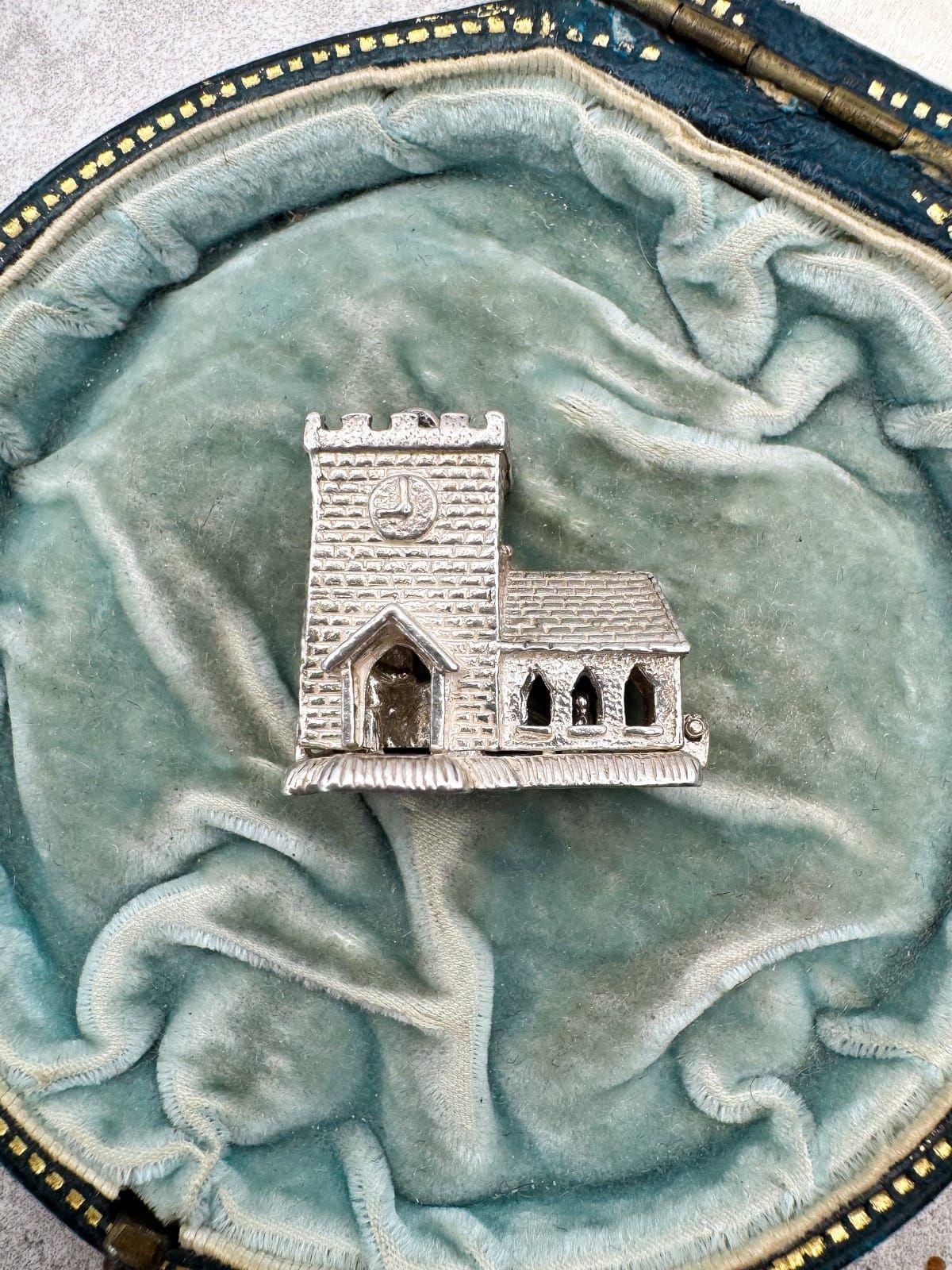
British design finds its feet: textured gold, abstract shapes and rough crystals.
Other periods
Styles that crossed the eras.
- 1880–1920Movement
Arts & Crafts
A British reaction against the factory: hammered silver, simple settings and enamel.
Across the late Victorian and Edwardian years - 1890–1910Movement
Art Nouveau
Flowers, flowing lines and enamel, in Britain mostly on silver from Liberty and Charles Horner.
Across the late Victorian and Edwardian years - Before 1714Rare
Earlier periods
Stuart, Tudor and Renaissance jewellery: enamel miniatures and table-cut stones. Most survivals belong in museums.
Before the timeline starts