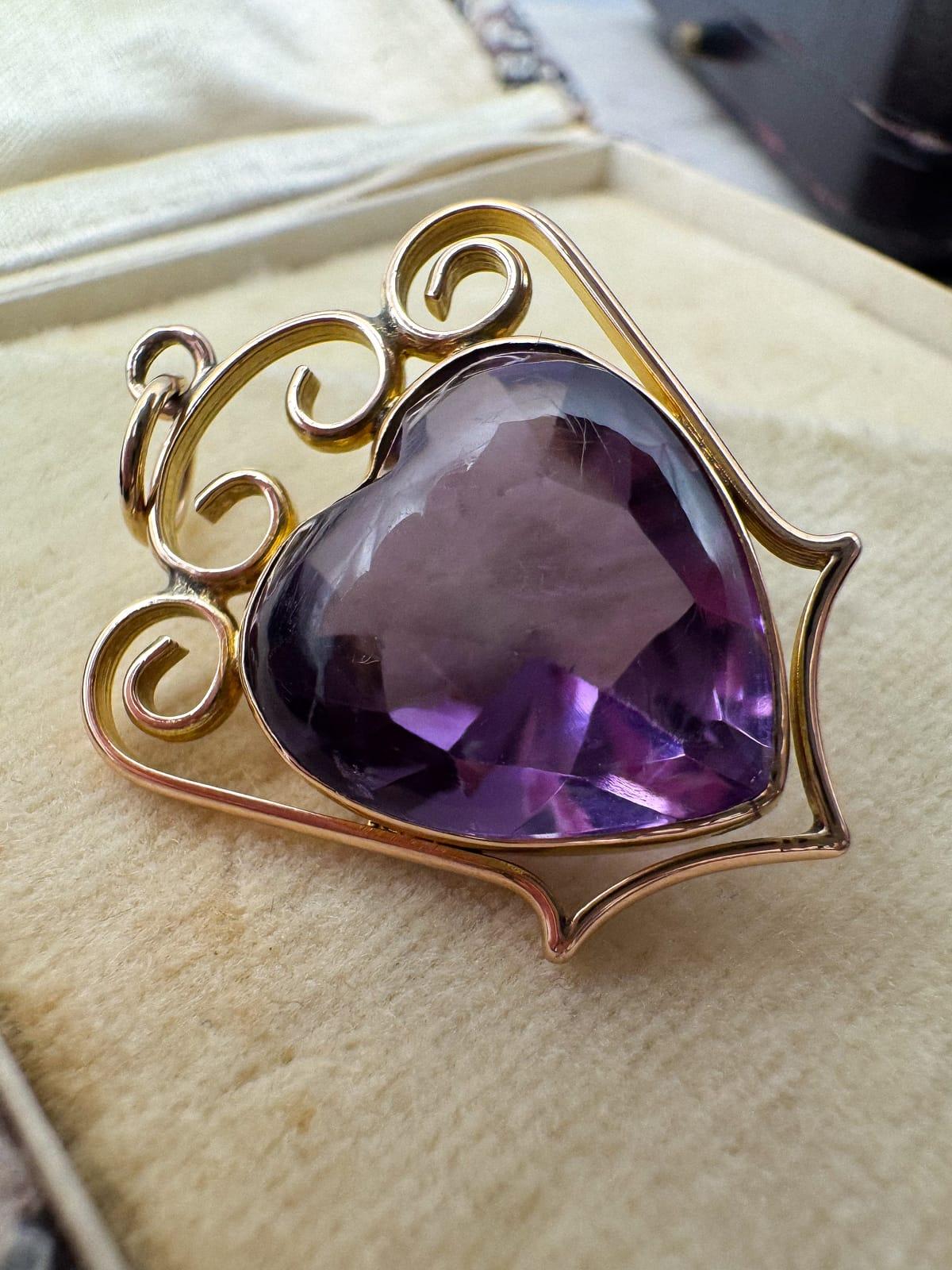
1901–1915 · Chapter 03 of 06
Edwardian
Light, lacy and finely made.
Edwardian jewellery is light and lace-like, in platinum or silver, often set over gold. Charles Horner of Halifax is a British maker to look for. These were also the years of suffragette jewellery in the WSPU’s purple, white and green, though not every piece in those colours was made for the cause.
- Fine openwork
- Platinum & silver
- Rose-cut diamonds
Where Edwardian sits: after Victorian, before Art Deco.
Defining features
- Intricate openwork and lace-like structures
- Garland and bow motifs
- Millegrain-edged settings
- Rose-cut and old cut diamonds
- Long chains and négligée pendants
How to spot it
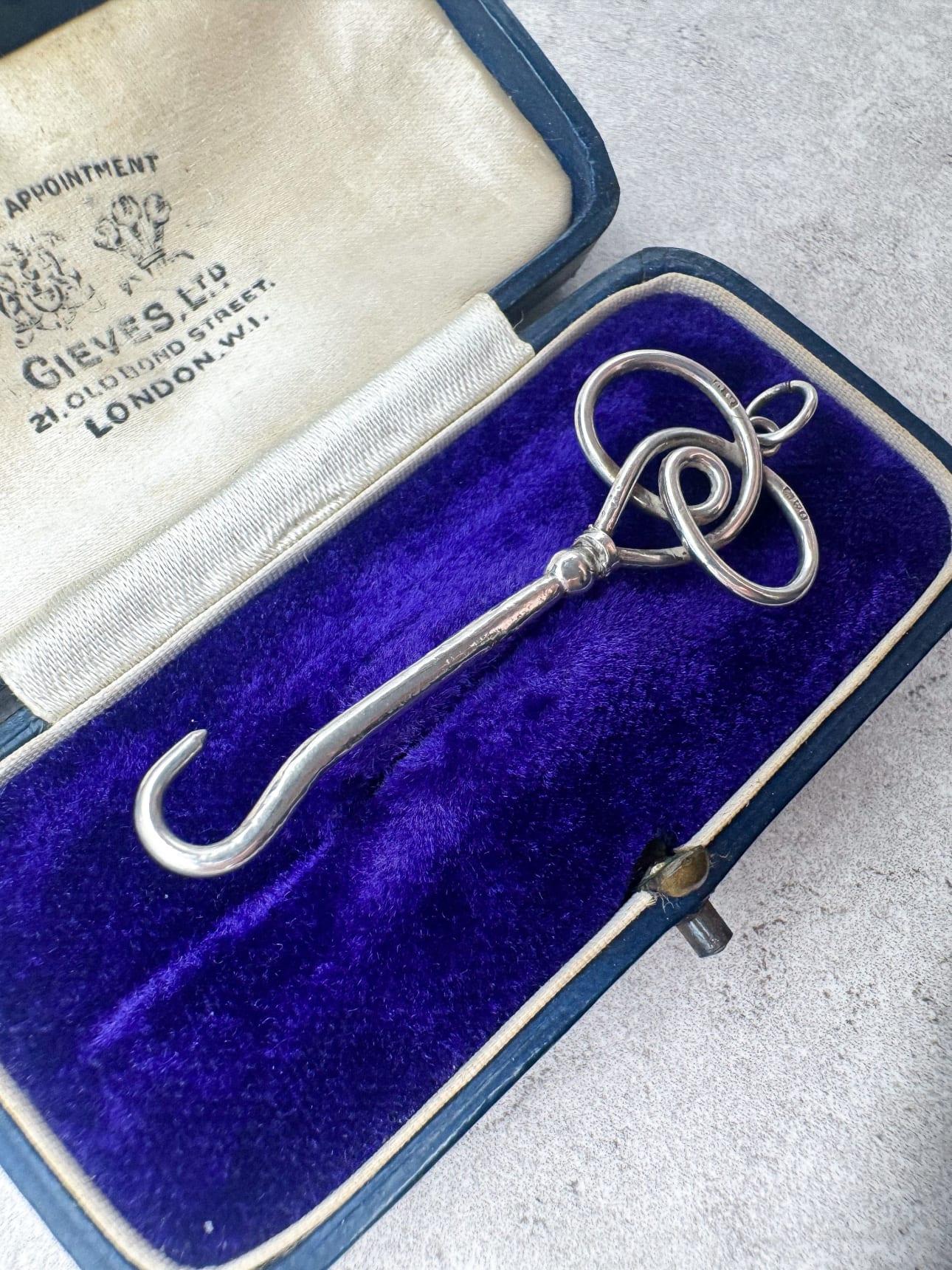
Fine pierced openwork in platinum or silver, often with gold underneath. Rose-cut diamonds look like flat-backed discs with a domed, faceted top, quite different from later brilliant cuts. British silver usually carries a lion passant, a town mark and a date letter. Platinum wasn’t hallmarked here until 1975, so look for a stamp such as PLAT instead. Pearls of this date should be natural, as cultured pearls only became common in the 1920s.
Materials
Metals
- Platinum
- Silver
- White metals
- Mixed metals
Stones & materials
- Old mine & rose-cut diamonds
- Natural pearls
- Demantoid garnet
- Peridot
- Aquamarine
- Pale amethyst