What are the Cardinal Gemstones
“Cardinal gems” is an old name for the stones once ranked above all others: diamond, sapphire, ruby, emerald and amethyst. You don’t hear the term much now, but it helps explain why these five turn up so often in antique jewellery.
A cardinal gemstone is another way of saying a precious gemstone. These were the rarest and most valuable stones of their day, and for centuries they were linked with royalty, wealth and power.
Diamonds
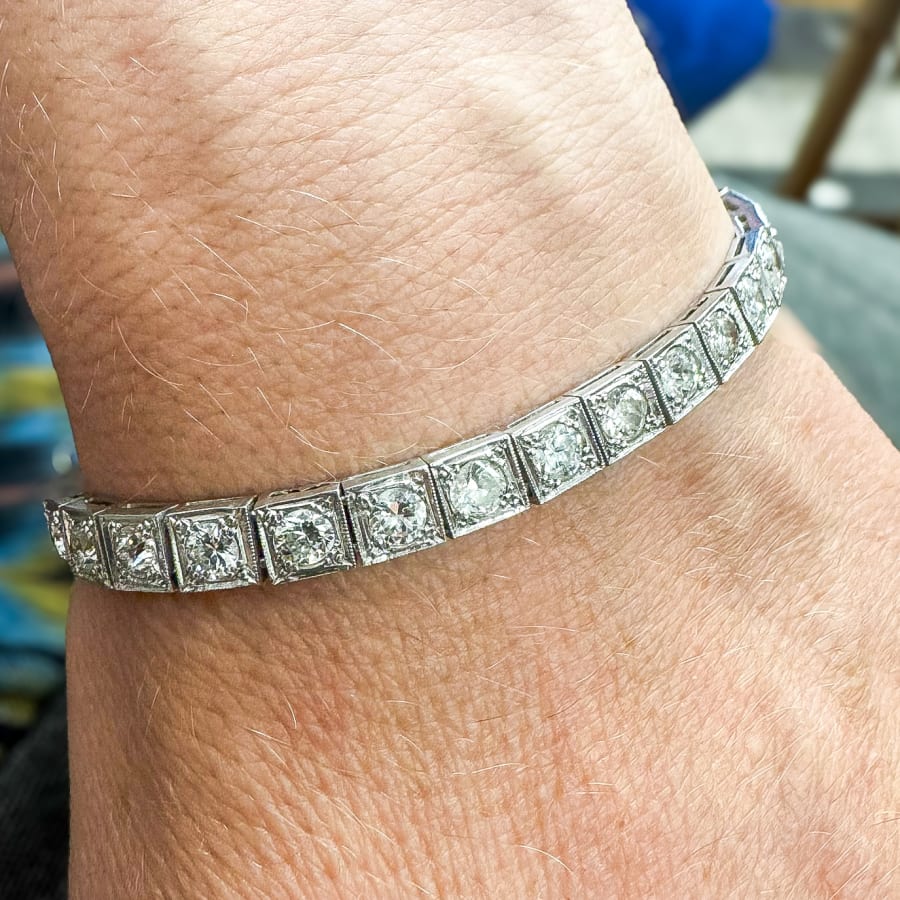
Diamonds are valued for their brilliance and durability, and they have long been a symbol of love and purity. They are traditionally colourless but also occur in rare fancy colours, including yellow, pink, blue and green. In antique jewellery you’ll usually find older cuts such as the old mine cut, rose cut and European cut.
Sapphire
Blue is the most sought-after colour, but sapphires also come in pink, yellow and violet, known as fancy sapphires. They are hard stones and have long stood for wisdom and virtue. Antique sapphires are often cushion, oval or emerald cut.
Ruby
Rubies are rare and prized for the intensity of their colour. The finest are a vivid red, often called “pigeon’s blood”, and they have long been linked with love, courage and prosperity. Antique rubies are often cushion, pear or oval cut.
One famous ruby isn’t a ruby at all. The Black Prince’s Ruby in the British Crown Jewels is a large red spinel, thought to have come from mines in what is now Tajikistan. It’s named after Edward of Woodstock, the Black Prince, who is said to have owned it in the 14th century.
Emerald
Emeralds are prized for their rich green and have long been associated with growth and renewal. Many contain natural inclusions known as jardin, or garden, because they can look like moss or foliage. These are accepted as part of the stone’s character. With diamonds it’s the opposite, and the best stones have the fewest inclusions.
Most agree that the best emeralds come from Colombia, for their pure, bright, saturated green, and these are usually the most expensive. Zambian emeralds have become far more popular in recent years. Zambia is now a major producer of high-quality stones with rich colour and good clarity, and its mines have a reputation for more ethical, transparent sourcing.
Antique emeralds are often emerald cut, cabochon or pear shaped.
Amethyst
Amethyst is valued for its purple colour and its affordability, and has long been associated with peace, clarity and inner strength. Antique amethysts are often cushion cut, antique cushion cut or round brilliant cut.
How their status changed
In ancient civilisations these stones were believed to have mystical powers. Over the centuries they became symbols of wealth and social status, set into the crowns, jewellery and regalia of royalty and the nobility. Today people choose them more for how they look and what they mean to them.
Diamonds now dominate fine jewellery, but they were once on the same level as the other cardinal gems. A modern jeweller’s window might show a long row of diamond rings and only a few emeralds, rubies and sapphires. Antique jewellery is much more varied, and you’ll find far more pieces set with coloured stones.
Keep reading